


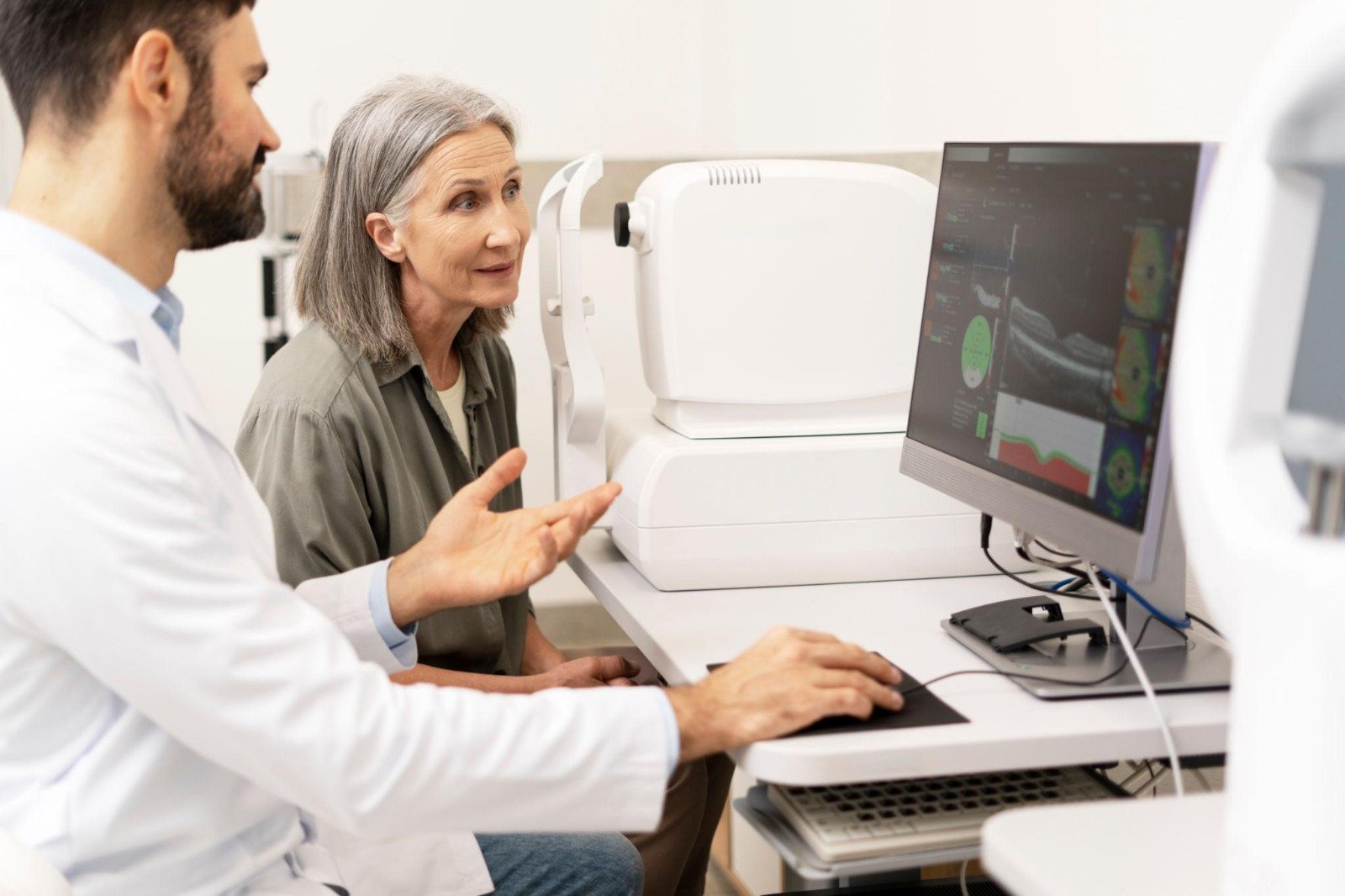
In today’s fast-evolving healthcare environment, technology plays a major role in improving patient care and clinic efficiency. One such important advancement is the use of Electronic Medical Records (EMR) systems. For eye clinics, where precision, history tracking, and detailed examinations are critical, EMR has become more than just a convenience; it is a necessity.
In this blog, we will understand what EMR is and why it is especially important for eye clinics.
What Is EMR?
Electronic Medical Records (EMR) is a digital version of a patient’s medical history that is stored and managed electronically. Instead of maintaining physical files and paperwork, clinics can record, access, and update patient data in a secure digital system.
An EMR system typically includes:
- Patient demographics
- Medical history
- Diagnosis and treatment records
- Prescriptions
- Test reports
- Appointment details
For eye clinics, EMR systems are often tailored to include vision-specific data such as eye measurements, prescriptions, and diagnostic imaging.
Why EMR Is Important for Eye Clinics
Eye clinics handle a large volume of detailed patient data, including vision history, prescriptions, and diagnostic reports. Managing all of this manually can lead to errors and inefficiencies. This is where EMR systems play a crucial role.
1. Accurate Patient Records
EMR helps maintain precise and organized patient records. Eye care requires tracking small changes in vision over time, and digital records make it easy to access previous data instantly.
2. Faster Diagnosis and Treatment
With all patient information available in one place, doctors can make quicker and more informed decisions. This improves diagnosis accuracy and speeds up treatment.
3. Better Patient Experience
Long waiting times and repeated paperwork can frustrate patients. EMR systems streamline processes like registration, consultation, and follow-ups, leading to a smoother patient experience.
4. Easy Access to Medical History
Eye conditions often require long-term monitoring. EMR allows doctors to review past prescriptions, reports, and treatments in seconds, helping them provide better care.
5. Reduced Errors
Manual record-keeping increases the risk of lost files or incorrect data. EMR minimizes human errors and ensures data consistency.
6. Efficient Clinic Management
EMR systems are often integrated with appointment scheduling, billing, and reporting tools. This helps clinics operate more efficiently and saves time for both staff and doctors.
Role of EMR in Ophthalmology Clinics
Ophthalmology clinics have unique requirements compared to general healthcare facilities. EMR systems designed for eye care include specialized features such as:
- Vision and refraction data tracking
- Eye imaging and diagnostic reports
- Prescription history
- Surgery records
- Follow-up tracking
These features make EMR an essential part of modern Ophthalmology Clinic Software India, helping clinics deliver accurate and consistent care.
How Modern EMR Solutions Are Transforming Eye Clinics
Today’s EMR systems go beyond basic record-keeping. Advanced platforms are cloud-based, secure, and accessible from anywhere, allowing clinics to operate more flexibly.
Solutions like Purple Sky Health are helping healthcare providers move towards smarter digital systems. By combining cloud technology, real-time data access, and intelligent insights, such platforms enable eye clinics to manage patient records, streamline operations, and improve overall efficiency.
With the ability to handle large volumes of patient data securely while offering continuous support, modern EMR platforms are becoming a backbone for clinics aiming to grow and deliver better care.
Benefits of Using EMR in Eye Clinics
- Improved workflow efficiency
- Better coordination between staff and doctors
- Enhanced patient satisfaction
- Secure data storage and backup
- Scalability for growing clinics
Conclusion
EMR is no longer optional for eye clinics; it is a critical tool for delivering quality healthcare in a competitive environment. From maintaining accurate patient records to improving clinic efficiency, EMR systems help eye care providers offer faster, safer, and more reliable services.
As technology continues to evolve, adopting a robust EMR system becomes essential for clinics that want to stay ahead. By integrating EMR into their daily operations, eye clinics can enhance patient care, reduce errors, and build a strong foundation for long-term success.