


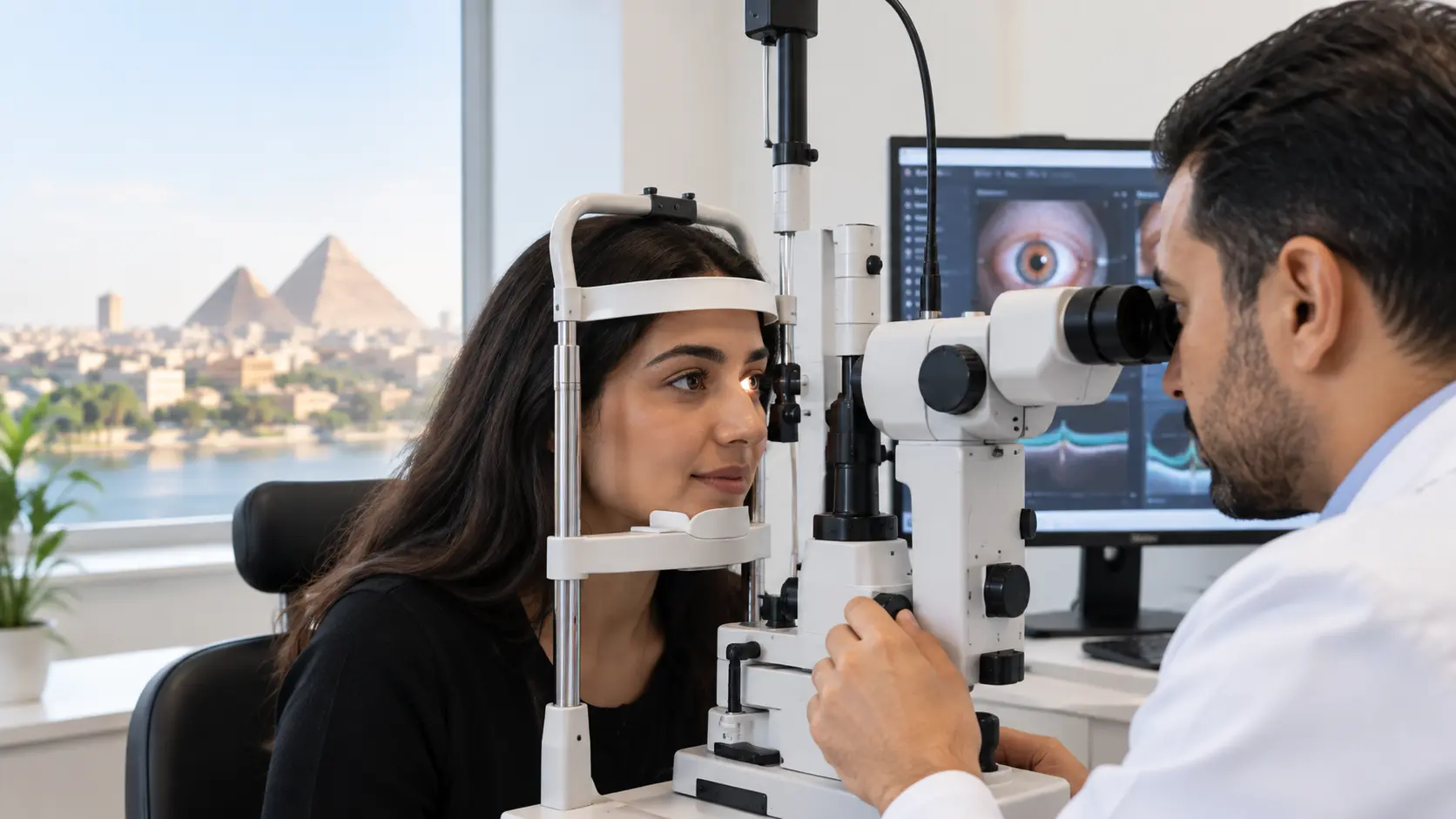
Eye care is becoming increasingly data-driven. From routine vision examinations and refraction to cataract surgery, glaucoma monitoring, retinal imaging, and long-term patient follow-up, ophthalmology practices generate large volumes of clinical information every day. Managing this information efficiently is becoming difficult when clinics continue to rely on paper files, disconnected systems, or manual data entry.
This is where ophthalmology EMR software is making a difference.
In Egypt, the shift toward digital healthcare is accelerating. The government has been expanding electronic medical records and broader digital-health infrastructure, while recent initiatives have specifically focused on digitizing ophthalmology services. In July 2026, Egypt’s Ministry of Health announced a protocol aimed at digitally linking ophthalmology medical units, improving data management, patient follow-up, oversight, and service delivery.
For eye clinics and hospitals, ophthalmology-focused EMR software can bring clinical records, diagnostic information, appointments, billing, reporting, and patient communication into a more connected workflow.
What Is Ophthalmology EMR Software?
Ophthalmology EMR software is a digital system designed to manage the clinical and operational records of eye-care patients.
Unlike a basic electronic medical record, an ophthalmology-specific EMR can be configured around the unique requirements of eye care. Depending on the platform, it can help clinicians record visual acuity, refraction, intraocular pressure, slit-lamp findings, fundus examinations, OCT results, visual fields, biometry, and other ophthalmic information.
The Egyptian Ministry of Health’s educational material describes EMR software as a system for creating and storing digital patient records, including patient history, notes, medications, scheduling, billing and related healthcare information.
For ophthalmology practices, the value comes from adapting these capabilities to the actual clinical workflow of eye specialists.
Why Is Ophthalmology EMR Software Important in Egypt?
Egypt’s healthcare sector is undergoing significant digital transformation. The Egypt Healthcare Authority reported millions of electronic health records and extensive use of electronic prescriptions as part of its digital-health initiatives.
More recently, the Egyptian government reported that approximately 6.7 million medical records had been digitized within the Universal Health Insurance system, demonstrating the scale of the country’s transition toward digital healthcare.
This creates an important opportunity for ophthalmology clinics.
A modern EMR can help practices:
- Reduce dependence on paper records
- Retrieve patient history faster
- Standardize clinical documentation
- Track diagnostic results over time
- Improve coordination between departments
- Reduce repetitive administrative work
- Support better patient follow-up
- Generate useful operational reports
- Create a more organized patient journey
For busy eye hospitals and multi-specialty clinics, these improvements can have a direct impact on daily operations.
Key Ways Ophthalmology EMR Software Is Transforming Eye Care
1. Creating Complete Digital Patient Records
Eye-care patients often require repeated examinations over months or years. A patient’s visual acuity, intraocular pressure, prescriptions, imaging results, surgical history, and treatment response may all need to be reviewed during subsequent visits.
An ophthalmology EMR creates a centralized digital record that makes this information easier to access.
Instead of searching through paper files, authorized healthcare professionals can review the patient’s previous information within the digital system.
This is particularly valuable for chronic conditions such as glaucoma, diabetic retinopathy, and other conditions requiring continuous monitoring.
2. Improving Ophthalmology Clinical Documentation
Ophthalmology examinations contain numerous measurements and clinical observations.
A specialized EMR can provide structured fields and templates for information such as:
- Visual acuity
- Refraction
- Intraocular pressure
- Slit-lamp examination
- Fundus examination
- Keratometry
- Pachymetry
- OCT findings
- Visual field results
- Biometry
- Diagnosis and treatment plans
Structured documentation can make clinical information easier to understand and compare during follow-up visits.
It can also help reduce the inconsistencies that may occur when different clinicians document information in completely different formats.
3. Connecting Diagnostic Data With Patient Records
Modern eye care depends heavily on diagnostic technology.
OCT scanners, fundus cameras, visual-field systems, optical biometers and other diagnostic devices can produce valuable information that needs to be associated with the correct patient.
An ophthalmology EMR with appropriate integrations can help bring diagnostic reports and images into the patient’s digital record.
This creates a more complete clinical picture and reduces unnecessary manual data transfer.
Equipment integration is already recognized as an important capability in ophthalmology-specific EMR systems because it can reduce manual entry and improve the completeness of patient records.
4. Supporting Better Glaucoma and Retina Follow-Up
Some ophthalmic conditions require consistent monitoring rather than a single consultation.
For example, glaucoma management may involve tracking intraocular pressure and other examination findings across multiple visits. Retina patients may require repeated imaging and assessments to evaluate disease progression or treatment response.
With structured digital records, clinicians can review historical information more efficiently and identify changes over time.
This doesn’t replace clinical judgment. Instead, it gives ophthalmologists organized information that can support their decision-making.
A 2024 study involving the Research Institute of Ophthalmology in Giza demonstrated how health information systems and performance indicators could be used to organize healthcare data and support evidence-based operational decision-making.
5. Making Cataract Surgery Workflows More Efficient
Cataract surgery involves multiple stages, from initial assessment and biometry to IOL selection, surgery, and postoperative follow-up.
Digital workflows can connect information generated during these stages.
For example, relevant patient information and biometric measurements can be recorded within the patient’s digital profile rather than being transferred repeatedly between paper forms and different systems.
This can help reduce administrative friction and create a more traceable workflow for both clinical and support teams.
6. Reducing Administrative Work for Eye Clinics
Healthcare professionals spend considerable time on documentation and administrative tasks.
A well-designed EMR can automate or simplify activities such as:
- Patient registration
- Appointment scheduling
- Follow-up reminders
- Digital documentation
- Billing workflows
- Reporting
- Patient communication
- Record retrieval
This allows clinical teams to spend more time on patient care rather than repetitive paperwork.
For growing ophthalmology clinics, this operational efficiency can become especially important as patient volumes increase.
7. Improving Patient Experience
Patients increasingly expect healthcare services to be convenient and organized.
Long registration processes, repeated requests for the same information, difficulty finding previous reports, and delays between departments can negatively affect the patient experience.
An integrated ophthalmology EMR can support a smoother journey by connecting registration, appointments, clinical records, diagnostics, billing, and follow-up processes.
Digital healthcare initiatives in Egypt are increasingly focused not only on digitizing records but also on improving service efficiency and patient experience.
8. Supporting Data-Driven Management
EMR systems are not only useful for doctors.
Clinic managers and hospital administrators can use healthcare data to understand operational performance.
Depending on the system, dashboards and reports may help monitor:
- Patient volumes
- Appointment utilization
- No-show rates
- Revenue
- Department performance
- Doctor productivity
- Procedure volumes
- Follow-up patterns
- Resource utilization
This transforms patient records from simple documentation into a source of operational intelligence.
9. Enabling AI-Powered Healthcare
Artificial intelligence is becoming an important part of Egypt’s digital-health strategy.
In 2026, the Egypt Healthcare Authority announced plans for a national center focused on health data science and AI applications in medicine. The authority also reported a digital infrastructure containing millions of electronic health records and hundreds of millions of archived healthcare images and prescriptions.
For ophthalmology, structured and accessible data can provide a foundation for future AI-assisted applications.
However, AI should be viewed as a supporting technology, not a replacement for ophthalmologists. Egypt’s Ministry of Health has similarly emphasized that AI applications should support healthcare professionals and medical decision-making rather than replace clinicians.
How to Choose the Right Ophthalmology EMR Software in Egypt
Choosing an EMR should not be based solely on the number of features.
Healthcare organizations should evaluate:
Clinical Fit
Does the software actually support ophthalmology workflows, or is it simply a generic medical EMR?
Integration Capabilities
Can it connect with relevant diagnostic devices, imaging systems, laboratory systems, billing platforms, or other healthcare applications?
Usability
Can doctors, nurses, reception teams, and administrators learn the system without unnecessary complexity?
Scalability
Can the platform support a growing clinic, multiple branches, or a larger hospital network?
Data Security
Healthcare providers should carefully evaluate authentication, access controls, data protection, backups, audit trails, and the vendor’s security practices.
Support and Training
Implementation does not end when the software is installed. Reliable technical support and staff training are essential for successful adoption.
The Future of Digital Eye Care in Egypt
Egypt’s healthcare transformation indicates that digital records, connected systems, analytics, telemedicine, and AI will increasingly become part of healthcare delivery.
The country’s 2026 digital-health initiatives include efforts to establish integrated electronic medical records and securely exchange medical information between healthcare providers.
Ophthalmology is becoming part of this transformation as well. The government’s recent initiative to digitize ophthalmology services demonstrates that eye care is receiving specific attention within Egypt’s broader healthcare modernization programme.
For ophthalmology clinics, adopting the right EMR system today can therefore be more than an administrative upgrade. It can become the foundation for a connected, data-driven model of eye care.
How Purple Sky Health Can Support Digital Healthcare Operations
Purple Sky Health provides a cloud-based digital healthcare platform designed to help healthcare organizations manage clinical and operational workflows from a connected environment.
For clinics, hospitals, laboratories, and pharmacies, digital tools can help bring patient records, appointments, billing, insurance, analytics, and other operational functions into a more organized workflow.
As healthcare providers across Egypt and the wider Middle East continue adopting digital technologies, platforms such as Purple Sky Health can help organizations move toward more efficient, connected, and data-driven healthcare operations.
Ready to modernize your healthcare workflow? Explore how Purple Sky Health can support your organization’s digital transformation.
Conclusion
Ophthalmology EMR software is transforming eye care in Egypt by bringing clinical records, diagnostic information, patient management, operational workflows, and analytics into a connected digital environment.
For ophthalmologists and healthcare administrators, the biggest opportunity is not simply replacing paper records. It is creating a system where accurate information is available when and where it is needed.
As Egypt continues its transition toward integrated digital healthcare, ophthalmology practices that adopt secure, scalable, and specialty-appropriate EMR technology can be better positioned to improve operational efficiency, strengthen continuity of care, and deliver a more convenient patient experience.
Frequently Asked Questions
Ophthalmology EMR software is a digital healthcare system designed specifically to manage eye-care patient records, clinical examinations, diagnostic information, appointments, treatment plans, and related workflows.
It can help clinics reduce paperwork, organize patient information, improve access to clinical history, streamline appointments and billing, connect diagnostic information, and support data-driven management.
Depending on the platform, ophthalmology EMR systems can integrate with diagnostic devices and imaging systems such as OCT, fundus imaging, visual fields, and biometric equipment. Integration capabilities should be verified with the software provider before implementation.
Yes. A suitable cloud-based system can help multi-location organizations centralize or coordinate patient information, workflows, reporting, and administrative processes, subject to the system’s architecture and access controls.
No. AI is better understood as a supporting technology. It can assist with data analysis, workflow automation, and clinical decision support, while diagnosis and treatment decisions remain the responsibility of qualified healthcare professionals. Egypt’s health authorities have also emphasized this supportive role for AI.